Welcome to Canyonlands National Park
Where is Canyonlands National Park?
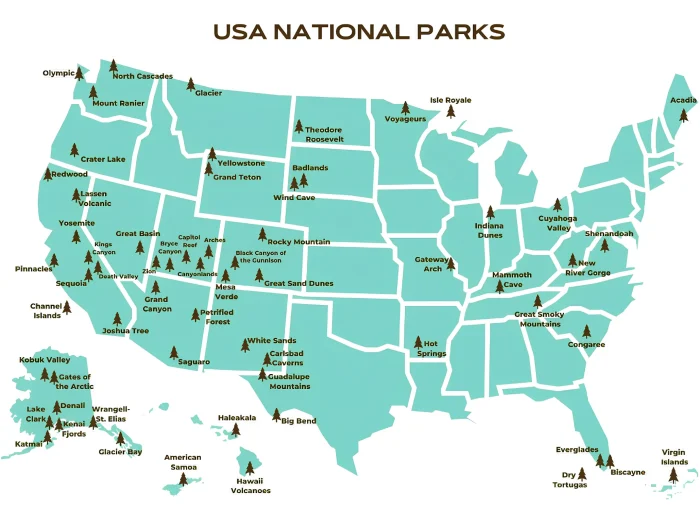
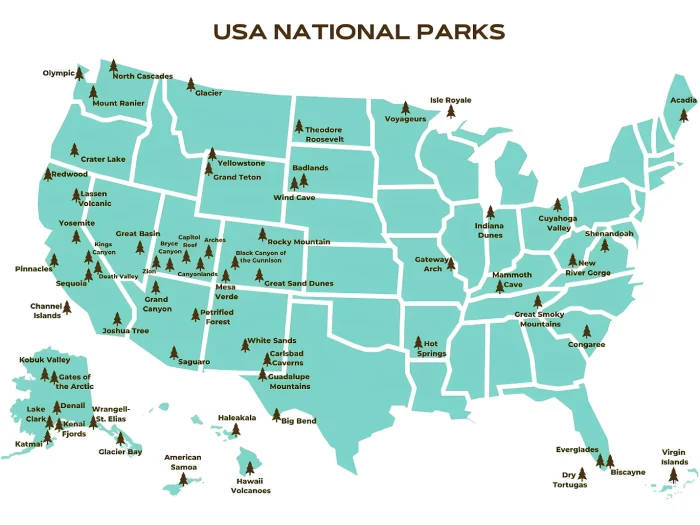
Canyonlands is located in southeastern Utah, near the town of Moab. The park has three main districts:
- Island in the Sky (most accessible)
- The Needles (more remote)
- The Maze (very remote, for experienced adventurers)
Most visitors access the popular Island in the Sky district by taking UT 313 north of Moab from US 191, about a 40-minute drive
How to get to Canyonlands National Park
The closest major airport to Canyonlands National Park is Salt Lake City International Airport (247 miles North of the park)
Other options:
- Grand Junction Regional Airport (GJT) in Colorado (~2 hours away)
- Salt Lake City International Airport (SLC) (~4 hours away)
From any airport, you’ll need to rent a car to reach the park.
Key Access Points:
- Island in the Sky: 40 minutes from Moab. Drive 10 miles north of Moab on US 191, then 22 miles southwest on UT 313.
- The Needles: 1.5 hours from Moab. Take US 191 south of Moab to UT 211.
- The Maze: Accessible via unpaved roads; high-clearance four-wheel-drive is required.
When was canyonlands national park established?
Canyonlands National Park was officially established on September 12, 1964, by Lyndon B. Johnson. The goal was to protect one of the most dramatic desert landscapes in the United States—an area shaped over millions of years by the Colorado River and the Green River.
Why It Was Created
Before becoming a national park, the region was largely remote and undeveloped. Its deep canyons, mesas, and buttes were known mainly to:
- Native American cultures who lived there for thousands of years
- Ranchers and explorers
- A small number of adventurers and scientists
Conservationists pushed for protection because:
- The landscape was geologically unique
- It contained ancient rock formations and archaeological sites
- Development (like mining or roads) could have permanently damaged it
Size of Canyonlands National Park
Canyonlands National Park is one of the largest national parks in the United States.
- Total area: about 337,598 acres (≈ 1,366 km²)
- The park is divided into three main districts:
- Island in the Sky (most visited and accessible)
- The Needles (more remote, known for colorful rock formations)
- The Maze (extremely remote wilderness)
The park’s massive size and rugged terrain mean large portions remain untouched and wild.
History of Canyonlands National Park
The history of Canyonlands National Park dates back thousands of years, beginning with Indigenous peoples such as the Ancestral Puebloans and Fremont culture, who left behind rock art and archaeological remains. In the 19th century, explorers like John Wesley Powell helped map the region during expeditions along the Colorado River, bringing wider attention to its dramatic landscapes. During the early 20th century, the area saw limited mining and settlement, but its rugged terrain prevented large-scale development. Conservation efforts led by Bates Wilson eventually resulted in the park’s establishment on September 12, 1964, when President Lyndon B. Johnson signed it into law, ensuring the protection of its unique canyons, ecosystems, and cultural heritage.
Geology of Canyonlands National Park
The geology of Canyonlands National Park is a dramatic story of time, water, and erosion, shaped over hundreds of millions of years.
⏳ Rock Layers and Ancient Seas
The park’s landscape is made up of layered sedimentary rocks formed during different geological periods:
- Sandstone, shale, and limestone are the main rock types
- Many layers were created when this region was covered by ancient seas, rivers, and deserts
- Over time, sediments hardened into rock, forming visible layers in cliffs and canyons
These layers act like a timeline, recording Earth’s history.
Role of Rivers
The two major rivers—Colorado River and Green River—played a key role in shaping the park.
- They cut deep canyons into the rock over millions of years
- Their erosion created mesas, buttes, arches, and spires
- The point where the rivers meet is one of the park’s most iconic geological features
Uplift and Erosion
- The region was lifted upward as part of the Colorado Plateau
- This uplift increased the power of river erosion
- Wind, water, and ice continue to shape the land today
This ongoing process explains why the landscape looks rugged and ever-changing.
Unique Formations
Canyonlands is famous for its striking landforms:
- Mesas (flat-topped highlands)
- Buttes (isolated hills with steep sides)
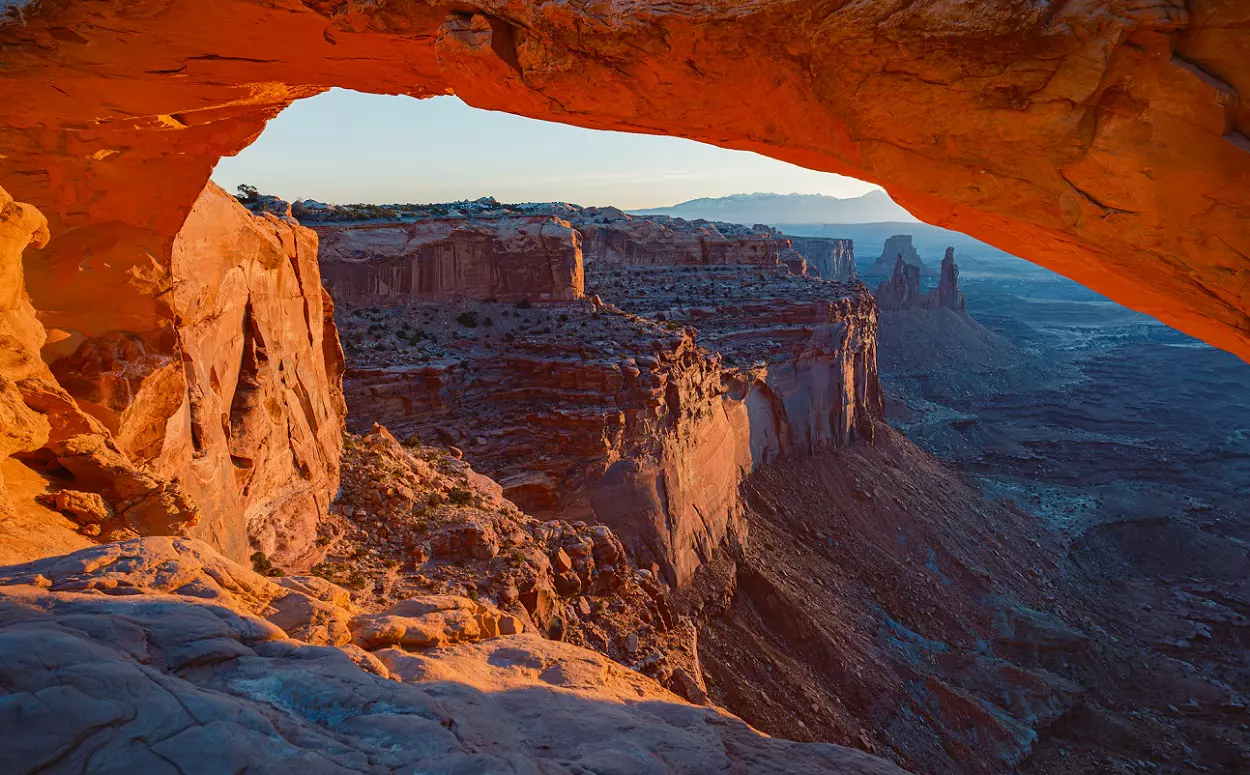
- Canyons and arches
- Rock spires, especially in the Needles district
Each formation is the result of different erosion rates in different rock layers.
Desert of Canyonlands National Park
The desert environment of Canyonlands National Park is harsh, dry, and beautiful, shaped by extreme conditions.
Climate
Canyonlands is a high desert, meaning:
- Hot summers: temperatures can exceed 38°C (100°F)
- Cold winters: sometimes below freezing
- Low rainfall: usually less than 25 cm (10 inches) per year
These extremes make survival difficult for both plants and animals.
Plant Life
Despite the dry conditions, many plants have adapted to survive:
- Cacti store water in their thick stems
- Shrubs like sagebrush have deep roots
- Grasses grow quickly after rare rains
These plants are specially adapted to conserve water and tolerate heat.
Animal Life
Animals in the desert are also highly adapted:
- Many are nocturnal (active at night) to avoid heat
- Common animals include:
- Lizards and snakes
- Desert rodents
- Birds such as hawks and ravens
They survive by conserving water and staying out of the sun.
Soil and Surface
- The desert surface includes sand, rock, and biological soil crust
- This crust (made of tiny organisms) helps prevent erosion
- It is very fragile—just one footprint can damage it for years
Backcountry Camping & Hiking in Canyonlands
Backcountry camping and hiking in Canyonlands National Park offer a true wilderness experience, far from crowds and modern facilities.
Hiking in the Backcountry
- Trails range from short day hikes to multi-day routes
- Popular areas:
- Island in the Sky: easier trails with scenic overlooks
- The Needles: more challenging routes through rock formations
- The Maze: extremely remote, for experienced hikers only
Hiking here requires good navigation skills, as some trails are not clearly marked.
Backcountry Camping
- Camping is allowed only in designated sites or zones
- You must obtain a permit in advance
- Campsites are primitive:
- No water
- No electricity
- No facilities
Campers must be fully self-sufficient.
Essential Preparation
Because of the desert environment:
- Carry plenty of water (at least 4 liters per person per day)
- Bring maps or GPS (limited cell service)
- Pack food, first aid, and sun protection
Weather can change quickly, so preparation is critical.
Safety Tips
- Avoid hiking during the hottest part of the day
- Watch for flash floods in canyons
- Stay on trails to protect fragile soil
- Tell someone your plan before going
Experience
Backcountry travel in Canyonlands offers:
- Incredible solitude
- Clear night skies full of stars
- A deep connection with nature
Biking in Canyonlands National Park
Biking in Canyonlands National Park is an exciting way to explore its vast desert landscape, offering both scenic rides and challenging backcountry adventures.
Where You Can Bike
Biking is allowed on:
- Paved roads (great for casual riders)
- Backcountry dirt roads (more adventurous routes)
However, bikes are not allowed on hiking trails or off-road areas to protect the environment.
Popular Biking Routes
- White Rim Road
- One of the most famous biking routes in the park
- About 160 km (100 miles) loop
- Usually takes 2–3 days to complete
- Requires a permit
- Island in the Sky roads
- Easier rides with stunning canyon views
- Suitable for beginners
- The Needles district
- Offers more rugged and remote biking experiences
Preparation & Safety
Biking in the desert is challenging, so preparation is essential:
- Carry plenty of water and food
- Bring repair tools and spare parts
- Check weather conditions (heat and storms can be dangerous)
- Plan your route carefully—some areas are very remote
Boating in Canyonlands National Park
Boating in Canyonlands National Park is one of the most exciting ways to experience its deep canyons and remote wilderness.
Main Rivers
Two major rivers flow through the park:
- Colorado River
- Green River
They meet at the center of the park, creating dramatic landscapes and diverse boating conditions.
Types of Boating
- Flatwater boating (calm sections)
- Ideal for canoes and kayaks
- Found mostly on the Green River
- Whitewater rafting
- More challenging and adventurous
- Especially in Cataract Canyon, known for powerful rapids
River Trips
- Trips can last from 1 day to over a week
- Overnight trips require:
- Permits
- Proper equipment and planning
Many visitors join guided rafting tours, especially for difficult routes.
Camping and Fires
Camping in Canyonlands National Park lets visitors fully experience its quiet desert environment, but it comes with strict rules—especially about fires.
Camping Options
- Developed campgrounds
- Located in Island in the Sky and The Needles
- Basic facilities (toilets, picnic tables)
- No hookups or modern amenities
- Backcountry camping
- Requires a permit
- Very primitive—no water or services
- Campers must be self-sufficient
Campfire Rules
Fires are strictly regulated to protect the fragile desert:
- Campfires are not allowed in most backcountry areas
- Where permitted, fires must be in:
- Designated fire rings, or
- Portable fire pans
- Collecting wood inside the park is prohibited
- Fire restrictions may increase during dry or windy conditions
Why Fires Are Restricted
- The desert ecosystem is extremely fragile
- Wood is scarce and decomposes slowly
- Fires can damage soil and plants
- There is a high risk of wildfires
Better Alternatives
Instead of campfires, visitors often:
- Use portable stoves for cooking
- Enjoy the night sky—Canyonlands is famous for its stars
- Practice Leave No Trace principles
Climbing in Canyonlands National Park
Climbing in Canyonlands National Park is a unique and challenging experience, known for its remote setting and dramatic sandstone formations.
Climbing Areas
- The Needles
- Most popular area for climbers
- Features colorful sandstone spires and towers
- Island in the Sky
- Offers some climbing routes, often with incredible views
- The Maze
- Extremely remote and rarely climbed
- Suitable only for highly experienced adventurers
Climbing Style & Difficulty
- Mostly traditional (trad) climbing
- Soft sandstone makes routes more fragile and technical
- Many climbs are:
- Remote
- Exposed (high drop-offs)
- Less frequently traveled
This is not a typical beginner climbing destination.
Rules & Regulations
- Permits may be required for certain climbs or overnight trips
- Bolting is restricted to preserve natural rock
- Climbers must follow Leave No Trace principles
- Protect archaeological and natural features
Entrance Fees
Entrance fees are charged March through October
- Private Non-commercial Vehicle $ 35.00 (7 Day Pass)
- Motocycle: $ 25.00 (7 Day Pass)
- Individual Entry $ 15.00 (7 Day Pass)
- Gold Access Pass (Blind or permanently disabled individuals) Free (Lifetime – good in all natl parks)
- Golden Age Pass (1 time fee – for those 62+ years young) $ 10.00 (Lifetime – good in all natl parks)
- National Park Pass $ 50.00 (Good in all natl parks)
To update Canyonlands National Park fee or ticket you visit here: https://www.nps.gov/cany/planyourvisit/fees.htm
Fishing in Canyonlands National Park
Fishing in Canyonlands National Park is a peaceful activity, offering a chance to enjoy nature along its scenic rivers.
Where to Fish
Fishing is mainly allowed in the park’s two rivers:
- Colorado River
- Green River
These rivers provide both calm and fast-moving waters, depending on the section.
Fish Species
Common fish you may find include:
- Catfish
- Carp
- Suckers
Some non-native species are also present, while native fish are protected.
Rules & Regulations
- A valid Utah fishing license is required
- Special rules apply to protect native fish:
- Some species must be released immediately
- Always check current regulations before fishing
Food and Supplies
When visiting Canyonlands National Park, it’s important to plan ahead for food and supplies, as services inside the park are very limited.
Availability
- There are no restaurants, or gas stations inside the park
- The nearest place for supplies is the town of Moab, located about 30–60 minutes away
In Moab, you can find:
- Grocery stores
- Restaurants
- Outdoor gear shops
- Gas stations
What to Bring
Visitors should bring everything they need, including:
- Plenty of water (at least 4 liters per person per day)
- Ready-to-eat food or cooking supplies
- Snacks for hiking
- Cooler for perishable items
Cooking
- Use portable camping stoves for cooking
- Campfires are often restricted, so do not rely on them
- Pack lightweight and easy-to-prepare meals
Important Tips
- Stock up before entering the park
- Keep extra water and food in case of emergencies
- Properly store food to avoid attracting wildlife
- Pack out all trash (Leave No Trace)
Visitor Centers
Park Headquarters is located in Moab, Utah and is open year round.
- Facility : Island in the Sky
- Open : All Year (Except New Years, Thanksgiving and Christmas Days) 8:00 am – 4:30 pm – Daily
- Hours : Extended hours in Spring through Fall
- Location : North end of park in the Island of the Sky District on Stateroad 313
- Available Facilities : No water is available in the District, bring your own water! Bottled water is available for sale at the visitor center. Exhibits are on display, and maps, publications, programs and information are available.
Pet Information
If you plan to bring a pet to Canyonlands National Park, there are important rules to ensure safety and protect the environment.
Where Pets Are Allowed
Pets are permitted only in limited areas:
- Along roads and parking areas
- In campgrounds
- On paved scenic overlooks
Where Pets Are NOT Allowed
Pets are not allowed:
- On hiking trails
- In the backcountry
- In most natural areas of the park
This is to protect wildlife, fragile soil, and your pet’s safety.
Weather of Canyonlands National Park
The weather in Canyonlands National Park is typical of a high desert climate, with extreme temperatures and low rainfall throughout the year.
Summer (June – August)
- Very hot: often above 38°C (100°F)
- Strong sunlight and dry air
- Occasional afternoon thunderstorms
👉 This is the most challenging season due to heat.
Fall (September – November)
- Mild and pleasant temperatures
- Cooler days and chilly nights
- Ideal for hiking and outdoor activities
👉 One of the best times to visit.
Winter (December – February)
- Cold temperatures, sometimes below freezing
- Light snowfall possible
- Fewer visitors and quiet वातावरण
👉 Great for solitude, but some roads may be affected.
Spring (March – May)
- Comfortable temperatures
- Occasional rain
- Wildflowers may bloom
👉 Another best season to visit.
Rain and Conditions
- Annual rainfall is low (about 20–25 cm per year)
- Sudden storms can cause flash floods, especially in canyons
- Weather can change quickly
40 FAQs about Canyonlands National Park
General Information
- Where is Canyonlands National Park located?
It is located in southeastern Utah, USA, near Moab. - When was Canyonlands National Park established?
It was established on September 12, 1964. - How big is Canyonlands National Park?
It covers about 337,598 acres (1,366 km²). - Why is Canyonlands National Park famous?
It is famous for its vast canyons, mesas, and desert scenery. - What are the main districts of Canyonlands National Park?
Island in the Sky, The Needles, and The Maze. - What rivers run through Canyonlands National Park?
The Colorado River and Green River. - What makes Canyonlands National Park unique?
Its remote wilderness and dramatic landscapes. - Is Canyonlands National Park a desert?
Yes, it is a high desert environment. - What kind of wildlife lives in Canyonlands National Park?
Lizards, snakes, birds, and small mammals. - What is the best time to visit Canyonlands National Park?
Spring and fall are the best times.
🚗 Getting There & Visiting
- How do I get to Canyonlands National Park?
By car from nearby cities like Moab. - Is there public transportation to Canyonlands National Park?
No, there is no public transportation. - How far is Canyonlands National Park from Moab?
About 40 minutes to Island in the Sky. - Are there entrance fees for Canyonlands National Park?
Yes, visitors must pay an entrance fee. - What are the opening hours of Canyonlands National Park?
It is open 24 hours daily. - Is Canyonlands National Park open year-round?
Yes, but conditions vary by season. - Are there visitor centers in Canyonlands National Park?
Yes, in Island in the Sky and The Needles. - Is cell phone service available in Canyonlands National Park?
It is very limited. - Are the roads in Canyonlands National Park paved?
Some are paved, others are dirt roads. - Do I need a 4WD vehicle in Canyonlands National Park?
Only for remote areas like The Maze.
Activities
- What are the best hiking trails in Canyonlands National Park?
Mesa Arch and Grand View Point are popular. - Can I go backpacking in Canyonlands National Park?
Yes, with a permit. - Is biking allowed in Canyonlands National Park?
Yes, on roads only. - Can I go rafting or boating in Canyonlands National Park?
Yes, on the rivers. - Is rock climbing permitted in Canyonlands National Park?
Yes, especially in The Needles. - Can I camp inside Canyonlands National Park?
Yes, in campgrounds and backcountry areas. - Are campfires allowed in Canyonlands National Park?
Only in designated areas. - Is stargazing good in Canyonlands National Park?
Yes, it has very dark skies. - Can I take guided tours in Canyonlands National Park?
Yes, tours are available. - Is photography popular in Canyonlands National Park?
Yes, due to its stunning scenery.
Rules & Safety
- Are pets allowed in Canyonlands National Park?
Yes, but only in limited areas. - What should I bring when visiting Canyonlands National Park?
Water, food, maps, and sun protection. - Is water available inside Canyonlands National Park?
Very limited, so bring your own. - Are there dangerous animals in Canyonlands National Park?
Some, like snakes and scorpions. - What are the main safety risks in Canyonlands National Park?
Heat, dehydration, and getting lost. - Are permits required for backcountry trips in Canyonlands National Park?
Yes, permits are required. - Can I collect rocks or plants in Canyonlands National Park?
No, it is prohibited. - What should I do in case of emergency in Canyonlands National Park?
Contact park rangers if possible. - Are drones allowed in Canyonlands National Park?
No, drones are not allowed. - How can I protect the environment while visiting Canyonlands National Park?
Follow Leave No Trace principles.
Read more:
- List of National Parks in the United States
- List of National Parks in Maine
- List of National Parks in Louisiana
- List of National Parks in Kansas
- List of National Parks in Kentucky