Big Bend National Park Camping Guide
Camping in Big Bend National Park is one of the most immersive ways to experience the rugged beauty of West Texas. With vast desert landscapes, dramatic mountain ranges, and some of the darkest night skies in North America, it’s a dream destination for outdoor lovers seeking solitude and adventure.
Why Camp in Big Bend?
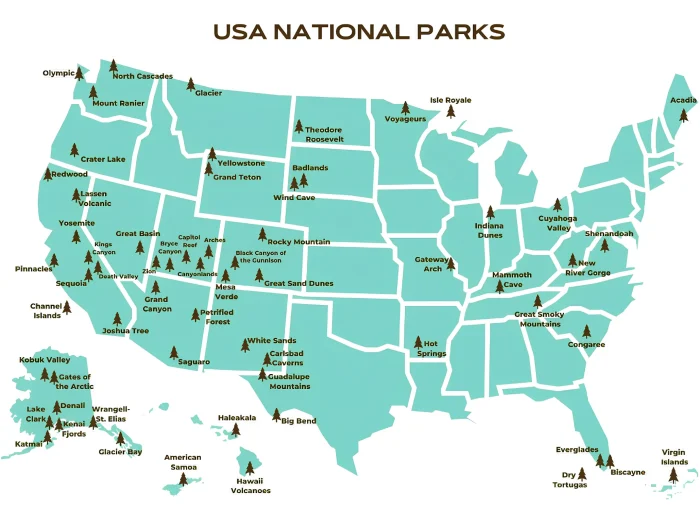
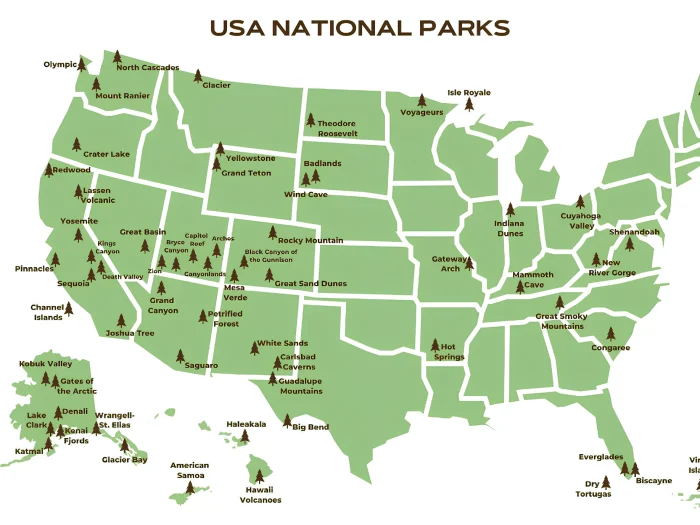
Unlike many crowded national parks, Big Bend offers a sense of isolation that’s hard to find elsewhere. Located in remote southwest Texas along the border with Mexico, the park spans over 800,000 acres of desert, river, and mountain terrain.
Camping here lets you:
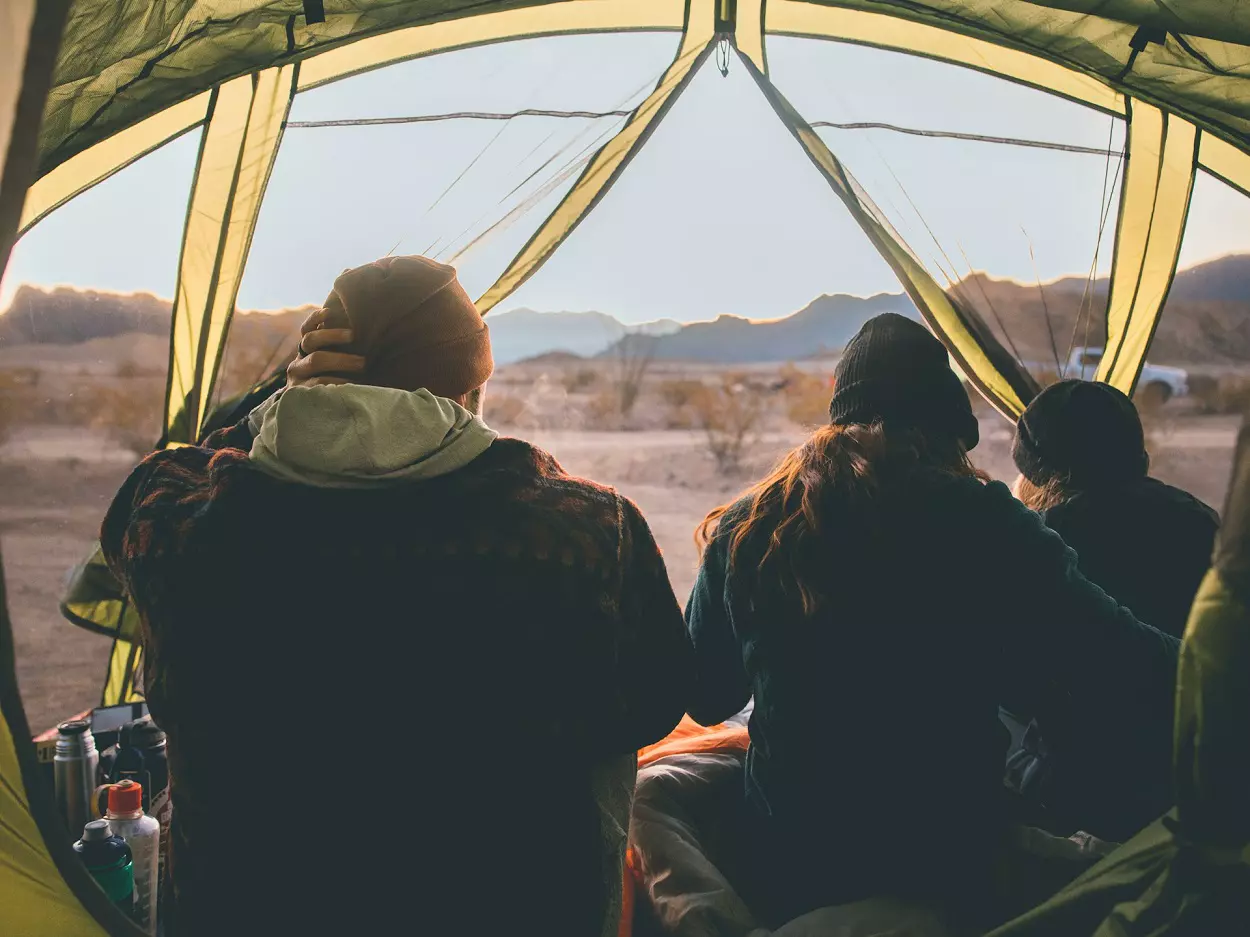
- Experience stunning sunrises over the Chihuahuan Desert
- Enjoy world-class stargazing (it’s an International Dark Sky Park)
- Wake up near iconic landscapes like Santa Elena Canyon
- Escape crowds and reconnect with nature
Types of Camping in Big Bend
1. Developed Campgrounds
Big Bend has three main campgrounds with basic amenities:
- Chisos Basin Campground
Nestled in the Chisos Mountains, this is the most scenic option. Cooler temperatures and mountain views make it popular year-round. - Rio Grande Village Campground
Located near the Rio Grande, this campground offers shade, RV hookups, and access to trails. - Cottonwood Campground
A quieter, more primitive site near Santa Elena Canyon—perfect if you want fewer crowds.
👉 Reservations are recommended, especially during peak season (November–April).
2. Backcountry Camping
For a more adventurous experience, Big Bend offers extensive backcountry camping options.
- Roadside Campsites: Accessible by high-clearance vehicles
- Primitive Backpacking Sites: Reachable only by hiking
You’ll need a permit, and preparation is essential—water sources are scarce, and conditions can be extreme.
3. RV Camping
RV travelers can camp at Rio Grande Village (with hookups) or Chisos Basin (limited space). Note that steep roads into the mountains may restrict large RV access.
Best Time to Camp
- Fall & Spring (Oct–Apr): Ideal weather, cooler temperatures
- Winter: Mild days, cold nights—great for hiking
- Summer: Extremely hot (often above 100°F / 38°C), not recommended unless well-prepared
What to Pack
Camping in Big Bend requires careful planning. Bring:
- Plenty of water (at least 1 gallon per person per day)
- Sun protection (hat, sunscreen, sunglasses)
- Warm layers (nights can get cold even in spring)
- Navigation tools (maps, GPS—signal is limited)
- Food and supplies (no nearby stores once inside the park)
Stargazing: A Highlight of Camping
Big Bend is famous for its night skies. With minimal light pollution, you can see:
- The Milky Way with the naked eye
- Meteor showers
- Thousands of stars
Chisos Basin and remote backcountry sites are especially incredible for stargazing.
Safety Tips
- Stay hydrated—dehydration is a serious risk
- Watch for wildlife like javelinas and snakes
- Be cautious of flash floods during rainy periods
- Let someone know your plans (cell service is unreliable)
10 helpful FAQs about camping in Big Bend National Park
1. Do I need a reservation to camp in Big Bend?
Yes, reservations are highly recommended for developed campgrounds, especially during peak season (November–April). Some backcountry permits can be obtained at visitor centers, but availability varies.
2. What is the best campground in Big Bend?
It depends on your preference:
- Chisos Basin – scenic mountain views and cooler temperatures
- Rio Grande Village – convenient with more amenities
- Cottonwood – quiet and less crowded
3. Is backcountry camping allowed?
Yes, Big Bend offers extensive backcountry camping, including roadside and primitive sites. A permit is required, and you must follow Leave No Trace principles.
4. When is the best time to go camping?
The best time is from October to April when temperatures are cooler. Summers in Texas can be extremely hot and potentially dangerous.
5. Are there showers or bathrooms available?
Developed campgrounds have restrooms, but not all have showers. Basic facilities are available at Rio Grande Village and Chisos Basin.
6. Can I camp anywhere in the park?
No, camping is only allowed in designated campgrounds or permitted backcountry sites. Random camping is not allowed to protect the environment.
7. How much water should I bring?
At least 1 gallon (about 3.8 liters) per person per day is recommended due to the dry desert climate.
8. Is there cell phone service in Big Bend?
Cell service is very limited or nonexistent in most areas of the park. Plan accordingly and don’t rely on your phone for navigation.
9. Is it safe to camp in Big Bend?
Yes, but you should be prepared. Watch for extreme heat, dehydration, wildlife, and sudden weather changes. Staying informed and prepared is key.
10. Can I see the stars clearly while camping?
Absolutely! Big Bend is an International Dark Sky Park, making it one of the best places in North America for stargazing.
Final Thoughts
Camping at Big Bend National Park isn’t just a place to sleep—it’s an experience. Whether you’re pitching a tent under desert stars or parking an RV near the Rio Grande, you’ll find a rare kind of peace and natural beauty that few places can match.